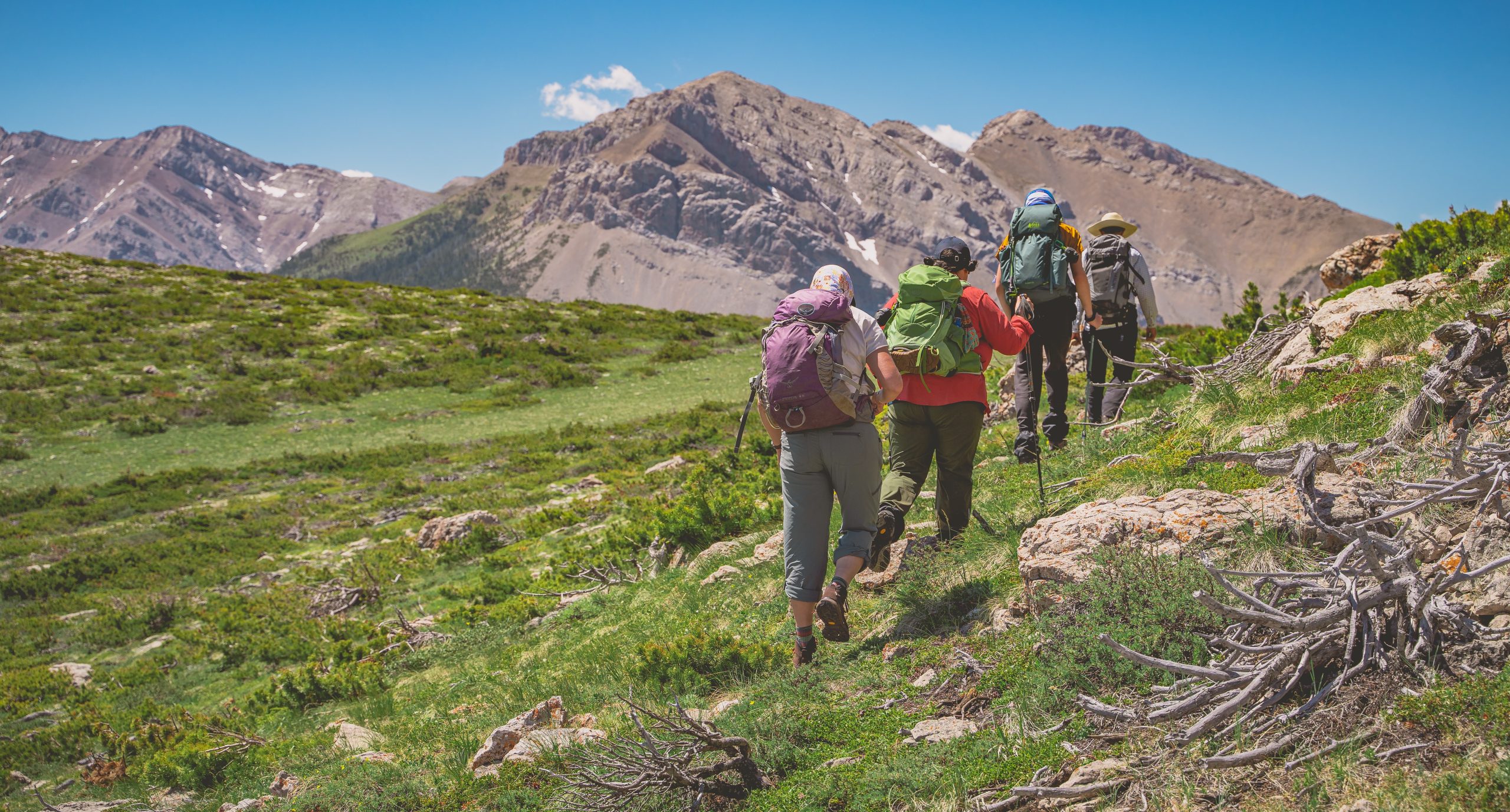
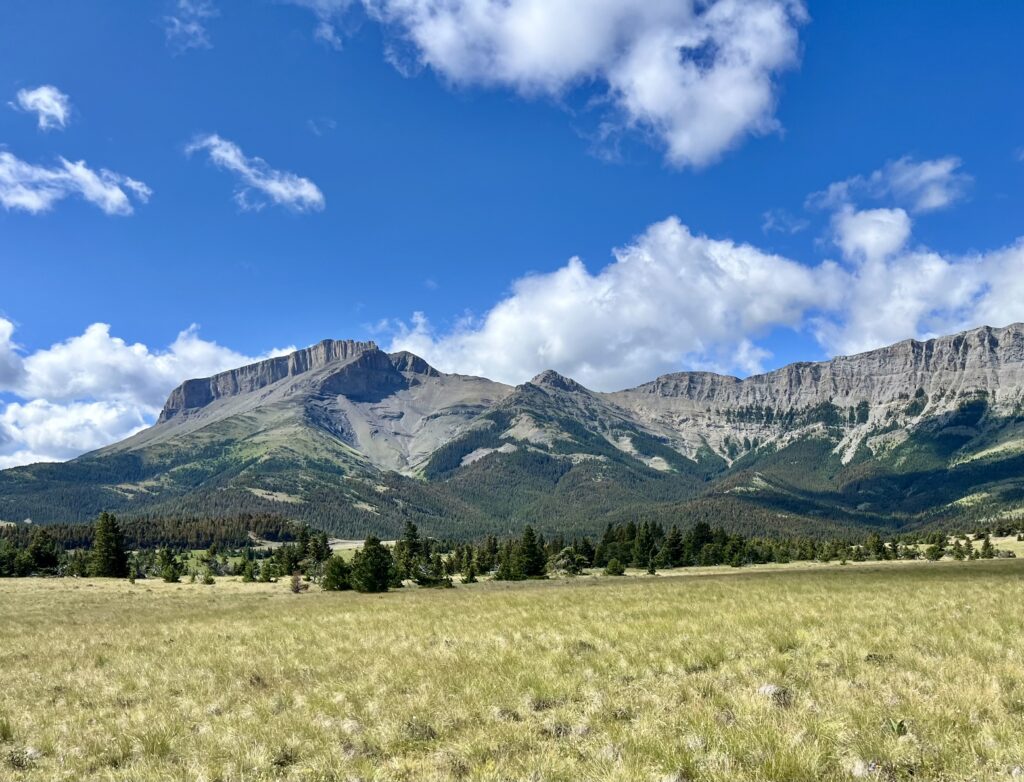
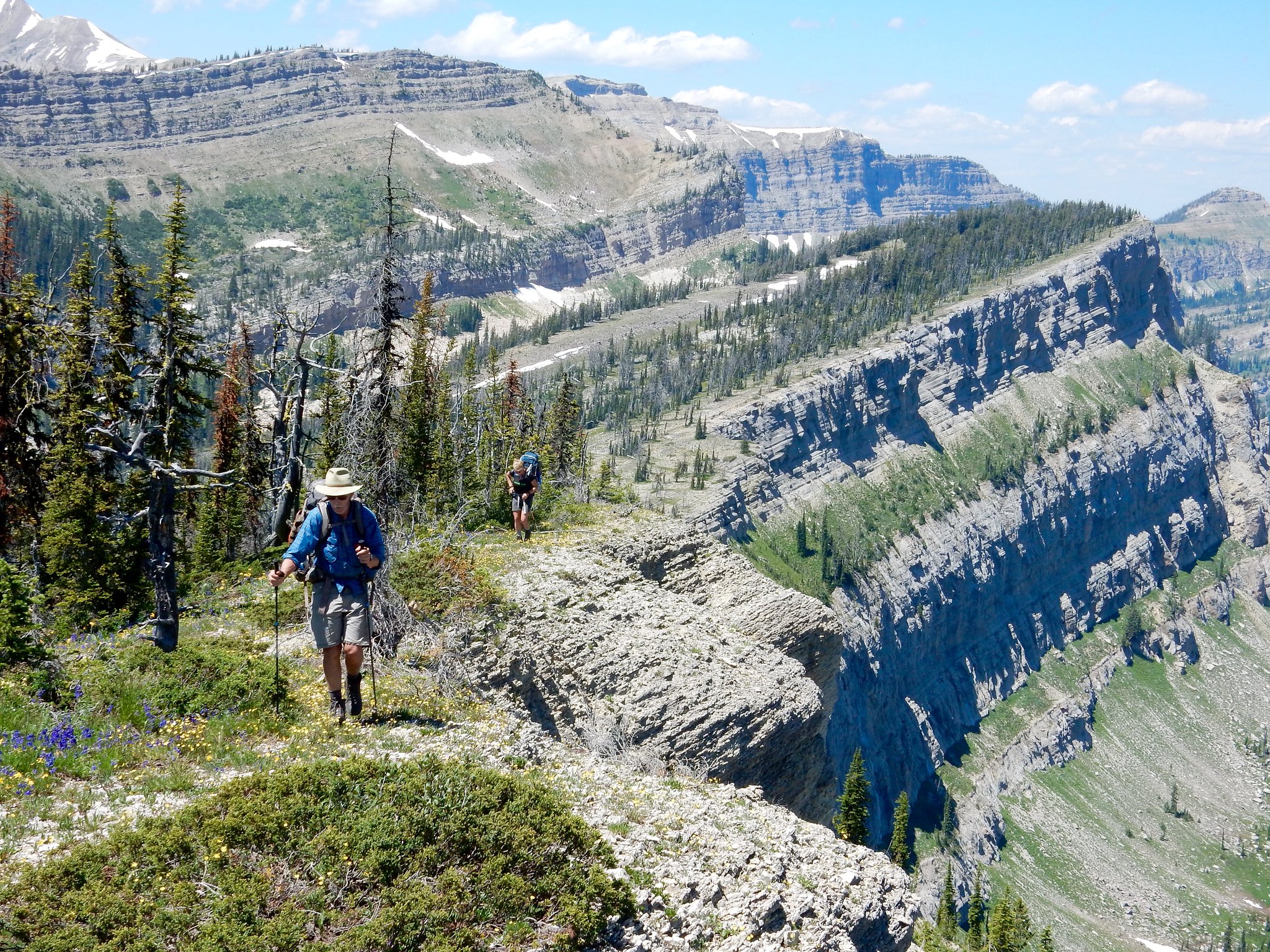
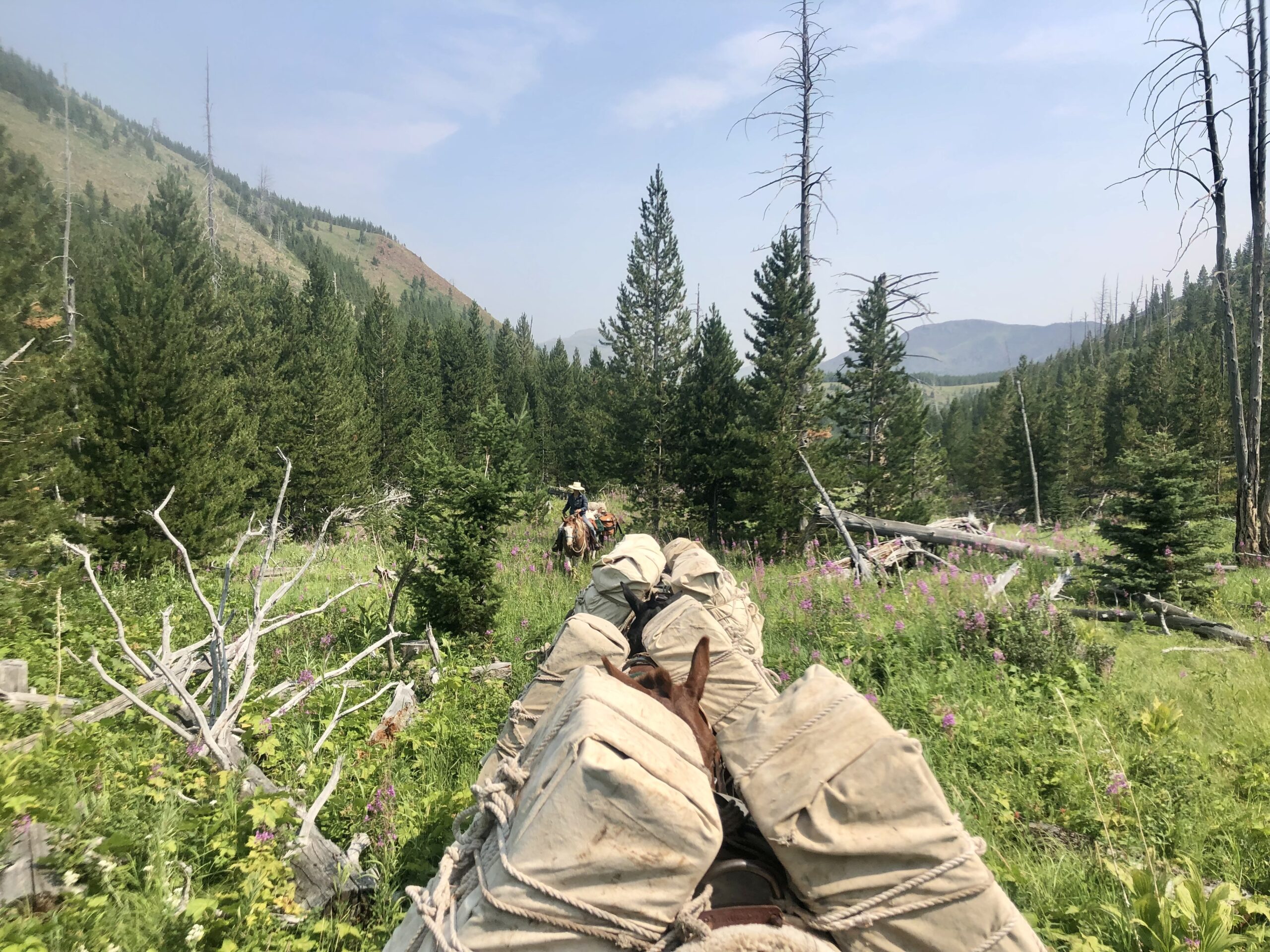
There’s still time to make sure you get to do what you love this summer!
It’s never too early to lock in the backcountry adventure you dream about. Sign up with Dropstone to make sure that time lands on your calendar and let us take care of the heavy lifting. All you have to do is hike…
Have family visiting this summer? Or just need to get out? Sign up for one of our day hikes led by master naturalist, Eric Bergman, and scratch that itch.
Guided Backpacking in Montana’s Bob Marshall Wilderness
Two Classic Backpacks Near Glacier National Park with Space Available
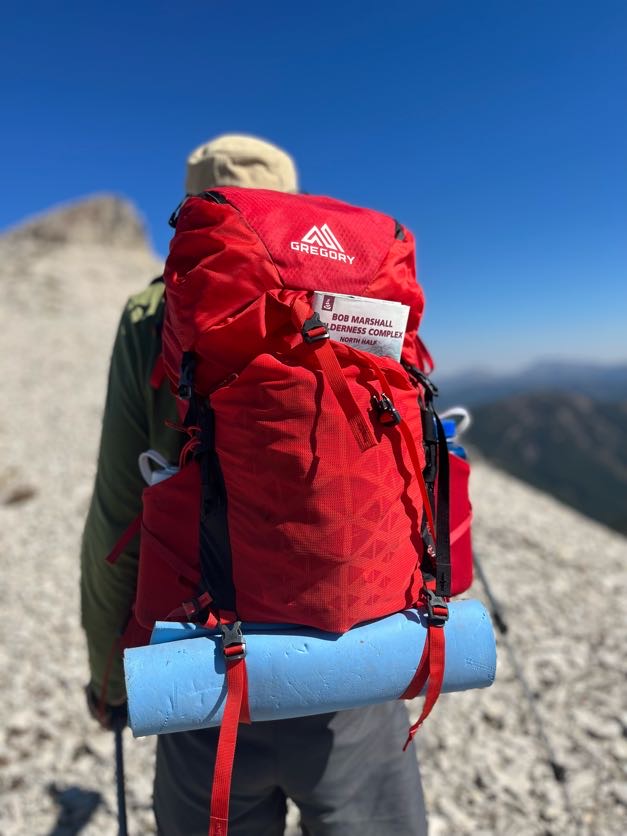
If you’re searching for a backpacking experience that still feels wild — truly wild — the Bobdelivers in a way few places can.
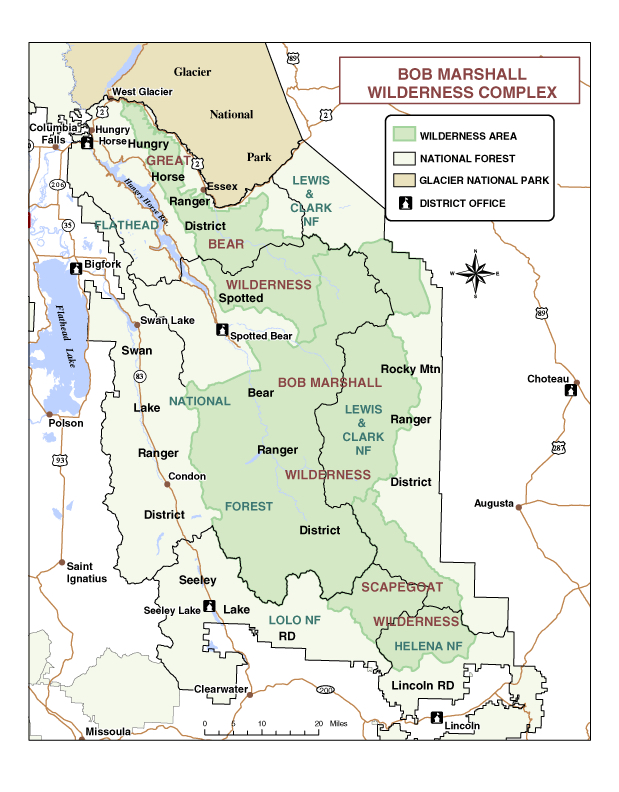
Located just south of Glacier National Park, the Bob offers over 1.5 million acres of protected wilderness. No roads cross it. No lodges sit in the interior. Travel here is earned — mile by mile. And Dropstone is the only outfitter in the Wilderness Complex to cater specifically to human powered travel and that desire experienced hikers have to push further, leave the crowded trail behind and feel what wilderness travel truly has to offer
This summer, we have space available on two of our classic Bob Marshall backpacking trips:
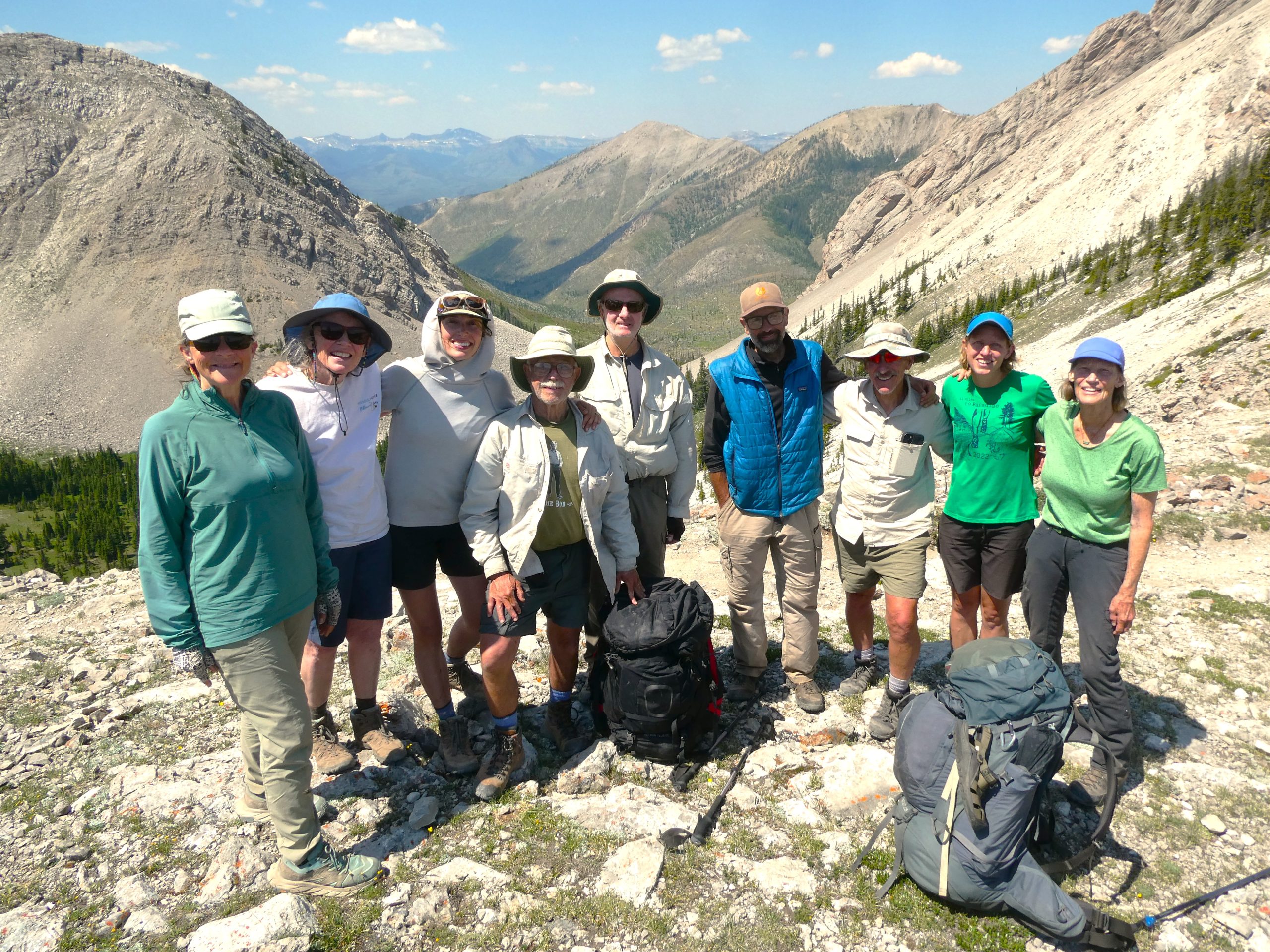
Both are designed for active adults with some prior backpacking experience who want challenge, camaraderie, and real Montana terrain.
Why Choose a Guide?
If you already have backpacking experience, you might wonder: Why go guided? It’s a fair question and one I ask myself when planning for trips
In the Bob, I think the answer is simple — scale and complexity.
1. Go Deeper into the Woods
The Bob is one of the largest roadless areas in the Lower 48. Trailheads are remote. Routes can be complex, trails can be confusing or unmarked, weather shifts quickly and when getting up high water, is not always where you hoped it would be.
With a guide, you:
Travel efficiently through expansive terrain
Access lesser-known routes and alpine basins
Make informed decisions about weather and safety
Spend more time exploring and less time navigating
We provide backpacking trips that are rugged and rewarding.
2. Local Knowledge Enhances the Experience
Like all landscapes the Bob Marshall is layered with history — from early conservation efforts to old outfitter routes, landscape scale fires that reshape travel corridors, and wildlife movement patterns.
As local Montana guides, we:
Understand seasonal trail conditions
Know strategic camps with water and protection
Manage risk in a remote setting
Camp and travel to avoid wildlife conflict
Help strong hikers push safely toward real mountain objectives
You still carry your pack. You still earn every summit. But you move with more insight.
3. Small Groups, Shared Capability
Our guided backpacking trips in Montana are intentionally built for experienced, capable hikers anywhere in age from 30 to 70.
That means:
No entry-level pacing
No chaotic large groups
Strong daily mileage
Real elevation gain
A shared appreciation for effort
This is for hikers who train — and who want to use that training somewhere meaningful. We do not expect everyone to share the same pacing nor do we encourage it. Years of guiding has helped us learn how to lead a group through mountainous terrain where everyone feels comfortable with the effort they can attain and meeting the day’s objective.
Hoadley Reef & Twin Peaks Backpack
July 6 – 12 | Bob Marshall Wilderness, Montana
This 7-day backpack explores one of the most dramatic regions in the Bob Marshall Wilderness.
Highlights:
Climbing Twin Peaks
Traveling along striking limestone reef escaprments
Visiting remote alpine lakes
Expansive views across the Northern Rockies
Deep wilderness immersion near Glacier National Park
Hoadley Reef offers dramatic vertical terrain and sweeping vistas that showcase why backpacking in the Bob Marshall Wilderness is unlike anywhere else in Montana.
5 Days | Western Gateway to the Bob Marshall Wilderness
Entering from the remote western edge of the Bob Marshall Wilderness — not far from Glacier National Park — the Grand Silvertip Loop delivers a focused mountain objective.
Participants will climb the tallest peak in the Complex, gaining panoramic views across the Chinese Wall region and into the heart of the Bob.
Expect:
Strong daily mileage
Sustained climbs
Route finding
Classic Montana mountain terrain
A rewarding summit objective
For experienced backpackers looking for a compact but challenging backpacking adventure, this loop is a standout. Reserve your spot today!
Fun Facts About the Bob Marshall Wilderness
If you’re considering backpacking near Glacier National Park, here’s what makes the Bob special:
Designated in 1964 under the original Wilderness Act
Over 1.5 million acres of protected land
Connected to the Great Bear and Scapegoat Wilderness Areas
Home to grizzly bears, wolves, elk, mountain goats, and bighorn sheep
Features the iconic Chinese Wall — nearly 1,000 feet high and 12 miles long
Few places in the Lower 48 remain this intact and is why it is considered the ecological “Crown of the Continent.”
When you go backpacking in the Bob, you’re stepping into one of the largest preserved ecosystems in the country.
Why Backpacking Still Matters
Backpacking remains one of the most immersive ways to experience the mountains.
You carry what you need. You adapt to terrain and weather. You move at the pace of the land.
These days that experience feels increasingly rare.
There are no tour buses. No road access. No shortcuts.
Just miles of Montana wilderness and the satisfaction of moving through it under your own power with everything you need on your shoulders and in your head. It is a rare and true feeling of freedom.
Join Dropstone Outfitting in the Bob Marshall Wilderness this Summer
Experience Early Season Wildflower Splendor on this June stock-supported Point-to-Point Backcountry hiking Adventure
There is a brief, electric moment each year when the mountains wake up and feel almost secret again. Our June stock supported hiking trip invites you into that window, traveling point to point through rarely visited backcountry where solitude is still the norm. June is that moment. Snow is still clinging to the high peaks, wildflowers are beginning their quiet takeover of the valleys, and the trail feels refreshed. For hikers who love solitude, shifting light, and the feeling of stepping into a season just as it begins, our June hiking trip offers something truly special.
Why June Is a Hidden Gem for Backcountry Hiking
Early season trips reward hikers with a landscape in transition. You will notice the subtle details that disappear later in the summer: rushing creeks fed by snowmelt, fresh animal tracks along muddy trail sections, and crisp mornings that warm quickly under long daylight hours. June hiking feels dynamic and alive, like watching a place stretch and shake off winter.
Because many people wait until mid-summer to plan their trips, June also means fewer groups on the trail. This is especially true on this lesser-traveled route, our traverse hike slips right through the magnificent landscape that gives the Rocky Mountain Front its handle.Camps feel quieter, vistas feel more personal, and the overall pace of the trip can slow down in the best possible way.
What to Expect on This Stock Supported Hiking Trip
This fully guided stock and stock supported hiking trip is designed for experienced hikers who are comfortable with variable early season conditions. Traveling point to point, we are able to cover meaningful terrain through rarely visited countrywithout retracing our steps. You can expect:
Cooler daytime temperatures and chilly nights
Clear skies and crisp air
Snow patches at higher elevations and the possibility of higher creek crossings
A flexible, guide-led itinerary that allows us to adapt to conditions while still delivering a rewarding backcountry hiking experience
Well-supported days with experienced guides focused on safety, pacing, and enjoyment
Early season travel adds an element of adventure, but it also creates space for learning. Master Naturalist, Eric Bergman, will share insight into ecosystem function, plant identification, mountain weather, and how landscapes change throughout the year.
Who This Early Season, Point-to-Point Hiking Trip Is Perfect For
This June trip is ideal for hikers who:
Prefer fewer crowds and quieter camps
Enjoy shoulder-season conditions and a bit of unpredictability
Want to start their hiking season strong rather than waiting for peak summer
Appreciate scenery that feels raw, fresh, and constantly changing
If you have been itching to lace up your boots after winter and step back into the backcountry, this June stock supported trip offers a satisfying and memorable way to do it, especially for those seeking rarely visited routes or enjoy wildflowers at their best.
Why Book an Early Season Stock Supported Trip
June trips tend to fill more slowly, which means more space, more flexibility, and often more personalized attention from your guides. For hikers searching for guided wilderness hiking trips, this can be one of the best values of the season. It is also a great option for hikers whose schedules free up earlier in the summer or who want to avoid the busiest months entirely.
Most importantly, early season trips feel earned. They invite you into the mountains at a quieter, more intimate time, when each mile feels like a small discovery.
Limited Openings on This Backcountry Traverse
We currently have openings on our June, Rocky Mountain Front Traverse, and space is limited to keep the experience personal and low impact. If early season adventure speaks to you, we would love to have you join us.
Reach out with any questions or reserve your spot now to join one of our guided, stock supported hiking trips and experience rarely visited backcountry as the mountains come alive.
Frequently Asked Questions
What is a stock supported hiking trip?
A stock supported hiking trip uses pack animals to carry group gear, food, and camp equipment. This allows hikers to travel lighter, cover more ground, and focus on the experience while still enjoying comfortable camps in remote wilderness.
Is this trip suitable for early season hiking?
Yes. This June trip is specifically designed for early season conditions. Our guides plan routes and daily mileage with snow patches, variable weather, and spring runoff in mind, adjusting as needed for safety and enjoyment. If the weather looks ominous we bring a wall tent and woodstove so that guests know they will always have a place to stay out of the weather, dry and warm.
What does point-to-point hiking mean?
Point-to-point hiking means the route starts and ends in different locations. Instead of retracing your steps, you move continuously through new terrain, allowing access to rarely visited country and a greater sense of journey.
How physically demanding is this guided hiking trip?
This trip is best for more experienced hikers who are comfortable with consecutive days on trail and changing conditions. While stock support reduces pack weight, participants should be prepared for uneven terrain and early season trail conditions.
Why choose a June guided wilderness hiking trip?
June offers fewer crowds, cooler temperatures, and a landscape in transition. For hikers seeking solitude and a more intimate backcountry experience, early season guided trips provide exceptional value and access to remote areas.
A Beginners Guide to Hiking Without a Heavy Pack in Montana’s Bob Marshall Wilderness
If you’ve ever dreamed of hiking deep into the Rocky Mountains—with sweeping vistas, wildflower meadows, and big-sky panoramas—but felt daunted by the idea of lugging a 40–60 lb. backpack, you’re in the right place.
Stock-supported hiking lets you experience iconic wilderness landscapes in Montana, like the Bob Marshall Wilderness Complex, without carrying all your gear. Instead, a seasoned pack string carry camp gear and provisions so you can focus on the trail, the scenery, and the adventure itself.
What Does “Stock-Supported Hiking” Mean?
Stock-supported hiking (sometimes called pack-supported hiking) is a style of multi-day hiking where horses or mules carry the majority of group gear and food between campsites, while hikers carry only theirdaypack with personal essentials.
This is an excellent approach to explore the vast wilderness that comprises the Bob Marshall Wilderness Complex.
How Stock-Supported Hiking Works on a Multi-Day Trip
On a guided stock-supported trip with Dropstone Outfitting:
Your guides and packers meet you the evening before to go over gear and logistics
The pack string will carry all group gear, food, 20 lbs. of your personal gear and camp supplies.
You hike each day with only a light daypack.
Stock meets you at camp, where meals, rest, and exploration await.
You still hike—this isn’t a ride—but the weight is on the stock, not your back, making the experience more comfortable and accessible for many hikers.
Why Stock Support Matters in Montana’s Backcountry
Whether you’re crossing the Rocky Mountain Front in June, pushing deep into the Trilobite Range in August or wandering through golden hills in September, stock-supported hiking lets you travel farther with less strain. In vast regions like the Bob Marshall Wilderness, long distances and rugged terrain are part of the experience; now carrying heavy gear doesn’t have to be.
Featured Trips: Explore the Best of The Bob with only a Daypack
Rocky Mountain Traverse — June 18–23, 2026
Kick off your summer with one of Dropstone’s personal favorites. The Rocky Mountain Front Traverse is a 6-day, stock-supported hiking journey through some of the most ecologically diverse terrain in Big Sky Country. Expect:
Plentiful wildflowers and waterfalls
Stunning daily vistas
Wildlife-watching opportunities
Deep drainages, geologic variety, and beautiful vistas
While rated moderately difficult, this trip is known for its enjoyable pace, with layover days built in to relax, explore, and soak up remote wilderness life in this seldom visited transition zone.
Sweet September in the Scapegoat — September 2–8, 2026
As summer fades and fall begins its brilliant sweep across the mountains, Sweet September in the Scapegoat invites hikers into one of Montana’s best-kept wilderness secrets. This 7-day stock-supported adventure explores:
The towering Scapegoat Wall escarpment
Clear rock pools and scenic river corridors
High plateau hiking and crisp mountain air
The changing panorama of fall colors and light
September brings temperate days and cooling nights, a burst of fall color beneath the Big Sky, and a spectacular transition from summer to autumn.
Both trips are guided, include knowledgeable leadership and stock support, and allow you to focus on the journey instead of the load.
Stock-Supported Hiking vs Backpacking
Backpacking
Heavier packs (30–60+ lbs)
Greater physical strain
Gear and food management
Stock-Supported Hiking
Just a light daypack
Longer, more enjoyable hiking days
Energy saved for exploration and scenery
In places like Montana’s mountains and wilderness plateaus, stock support turns long days into memorable experiences and can allow you to travel further into the wilderness then you might be able or willing to do on a backpacking trip.
Common Myths About Stock-Supported Hiking
“It’s only for beginners.” Not true—many experienced hikers choose stock support to explore farther with more comfort.
“It’s easy.” You still hike—you just hike lighter. And that saved energy just might allow you to push into places you wouldn’t have the endurance to get to.
“It’s hard on the animals.” Dropstone prioritizes ethical animal care and lightweight loads. Our string loves to get into the mountains too!
Is Stock-Supported Hiking Right for You?
Stock-supported hiking may be a great fit if you:
Want to see more of Montana’s backcountry with less physical burden
Are new to multi-day trips
Want better recovery at camp and more energy on the trail
Both the Rocky Mountain Traverse and Sweet September trips showcase the best of stock-supported travel and some of the most inspiring landscapes in the American West. We still have space available on both these summer 2026 stock-supported adventures.
Frequently Asked Questions
What do hikers carry on these trips? Your daypack with water, snacks, rain gear, personal items, and layers. Check out our Gear List.
Are stock-supported trips suitable for beginners? Yes—many novice hikers find they can enjoy multi-day wilderness trips without the usual pack strain.
Do I need to be in great shape to hike Montana’s terrain? While fitness helps, these trips are paced to balance challenge and enjoyment. We are always happy to discuss physical requirements and will be honest about expectations.
Who can I expect to meet?
Birds of a feather flock together. Our guests run the gamut; from old friends, to couples, to solo travelers but everyone has an interest or affinity for wild places and traveling with their feet. Free the legs and the mind will follow.
Ready to Explore With Less Weight?
If you’re curious whether stock-supported hiking is right for your next backcountry adventure, Dropstone Outfitting is here to help you plan and choose a route that matches your goals and timing.
A short history of the Bob Marshall Wilderness and the man it is named after
The Bob Marshall Wilderness Complex, located in Montana’s Rocky Mountains, is a sprawling expanse of rugged wilderness that serves as a haven for outdoor enthusiasts and a sanctuary for diverse wildlife.
Dropstone Outfitting has the supreme privilege to call this area our office and backyard. The inspiring history and natural treasures of The Bob (as the locals call it) are not lost on the owners, Magge and Yve. While these two hard-working women explore this outdoor wonderland year-round; the scenery, wild ecosystem and feral critters within offer extraordinaory experiences each and every time they have the opportunity to visit.
Encompassing over 1.5 million acres, this complex is named after Robert (Bob) Marshall, a prominent wilderness advocate and co-founder of The Wilderness Society. Its three wilderness areas—the Bob Marshall Wilderness, Scapegoat Wilderness, and Great Bear Wilderness—offer some of the most pristine and untouched landscapes in the United States.
Who was Bob Marshall anyway?
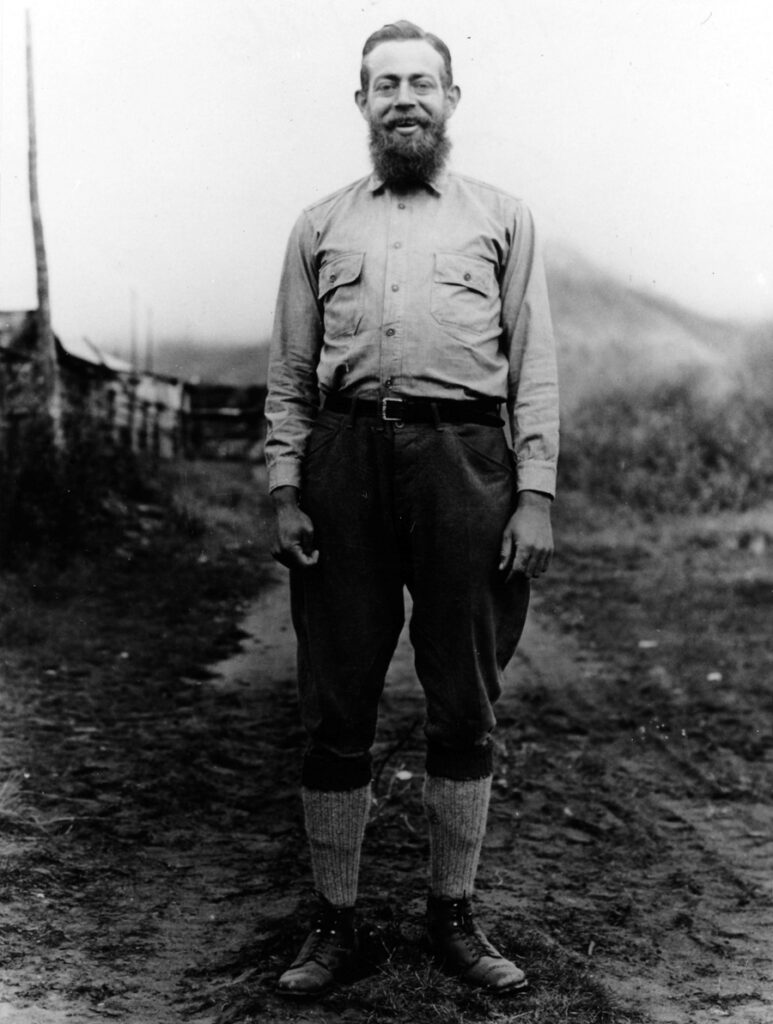
Robert Marshall, the man, the myth, the wilderness legend. Born in 1901, this guy was all about the great outdoors. He didn’t just hike, he practically lived in the wild, earning himself the nickname “Wilderness Bob.” With a Ph.D. in forestry from Johns Hopkins University, Marshall wasn’t your typical tree-hugger. He was a founding member of The Wilderness Society, fighting tooth and nail for the protection of America’s wild places. But let’s be real, Marshall wasn’t just a conservationist; he was a wilderness rockstar. He shaped the U.S. Forest Service’s policy on wilderness designation and management. He wrote passionately on all aspects of conservation and preservation and was among the first to suggest that large tracts of Alaska be preserved.
Photo courtesy of wilderness.net
Now, let’s talk about Marshall’s quirks. This guy was so into nature that he made Thoreau look like a city slicker. Marshall was all about that simple life, rocking the same raggedy clothes and surviving on basic rations while he trekked through the backcountry. He wasn’t one for fancy dinners or lavish parties; give him a patch of dirt under the stars, and he was happy as a clam. Marshall’s eccentricities weren’t just limited to his wardrobe and diet; he was also known for his solo wilderness adventures, disappearing into the wild for weeks on end, hiking 60 miles a day for fun, and sharing endless tales of bears, blizzards, and breathtaking scenery.
“I love the woods and solitude. I should hate to spend the greater part of my lifetime in a stuffy office or in a crowded city.” –Robert Marshall
For a guy that could arguably take on any current-day ultra runner, he sadly died on November 11, 1939, sitting on a train during an overnight journey from Washington D.C. to New York. Marshall passed away at the age of 39. The official cause of his death was believed to be myelogenous leukemia and coronary arteriosclerosis, or simply put, heart failure. Marshall was independently wealthy and allocated a portion of his substantial estate to The Wilderness Society. His legacy lives on in The Bob.
Some of Marshall’s most renowned words now seem remarkably prophetic:
“As society becomes more and more mechanized, it will be more and more difficult for many people to stand the nervous strain, the high pressure, and the drabness of their lives. To escape these abominations, constantly growing numbers will seek the primitive for the finest features of life.”
When the Wilderness Act was signed into law in 1964, one of the very first places to be protected in the new National Wilderness Preservation System was the iconic Bob Marshall Wilderness in Montana, named for this conservation legend.
Timeline of Key Events:
1930s-1940s: Bob Marshall, along with Aldo Leopold and others, advocates for the preservation of wilderness areas in the United States. Their efforts lay the foundation for the conservation movement in the country.
1964: The Wilderness Act is signed into law by President Lyndon B. Johnson, establishing the National Wilderness Preservation System. This landmark legislation sets aside wilderness areas “where the earth and its community of life are untrammeled by man.”
1964: The Bob Marshall Wilderness is designated, preserving over 1 million acres of pristine wilderness in Montana. This designation recognizes the unique ecological and recreational value of the area.
1972: The Scapegoat Wilderness is designated, adding over 239,000 acres to the Bob Marshall Wilderness Complex. This expansion further enhances the protection of critical wildlife habitat and pristine landscapes.
1978: The Great Bear Wilderness is designated, expanding the complex by over 286,000 acres. This designation recognizes the importance of protecting interconnected ecosystems and wildlife corridors.
1988: The Montana Wilderness Study Act designates additional lands within the Bob Marshall Wilderness Complex as potential wilderness, providing interim protection while their wilderness suitability is studied. This act demonstrates ongoing efforts to expand and protect the wilderness complex.
1993: The Montana Wilderness Study Act is amended, designating additional lands within the Bob Marshall Wilderness Complex as wilderness. This designation reflects the continued commitment to preserving the area’s wilderness character.
2009: The Omnibus Public Land Management Act designates the Rocky Mountain Front as a special management area, protecting it from oil and gas development. This designation recognizes the ecological importance of the area and its value for wildlife habitat and recreation.
2014: The Bob Marshall Wilderness celebrates its 50th anniversary as a designated wilderness area. This milestone is marked by events and celebrations honoring the legacy of Bob Marshall and the conservation efforts that led to the establishment of the wilderness area.
2016: The Wilderness and Recreation Partnership is formed, bringing together diverse stakeholders to address trail maintenance, restoration, and other conservation efforts in the Bob Marshall Wilderness Complex. This partnership demonstrates the importance of community involvement in wilderness conservation.
2018: The Montana Wilderness Study Act is reintroduced in Congress, aiming to designate additional lands within the Bob Marshall Wilderness Complex as wilderness. This act highlights the ongoing efforts to protect and preserve the complex for future generations.
2020: The Bob Marshall Wilderness Complex continues to be a popular destination for outdoor enthusiasts, offering a wide range of recreational opportunities such as hiking, camping, fishing, and wildlife viewing. The complex also serves as an important habitat for a variety of wildlife species, including grizzly bears, wolves, elk, and mountain goats.
Community Conservation Efforts:
The conservation of the Bob Marshall Wilderness Complex is not just the work of government agencies and non-profit conservation organizations—it’s also the result of dedicated individuals and communities working together to protect this valuable resource. Community conservation efforts in the area include:
Volunteer Trail Maintenance: Local volunteers and organizations help maintain trails in the wilderness complex, ensuring safe and sustainable access for hikers and other visitors. The Bob Marshall Wilderness Foundation and the Continental Divide Trail Coalition are a few of volunteer trail organizations working in the Bob.
Educational Programs: Community organizations and schools offer educational programs about the wilderness complex, teaching people about the importance of conservation and responsible outdoor recreation. The Montana Discovery Foundation is one of the organizations working on education in the Bob.
Wildlife Monitoring: Community members participate in wildlife monitoring programs, helping researchers track populations of key species and understand their habitat needs.
Conservation Advocacy: Local residents and organizations advocate for policies and practices that protect the wilderness complex and its wildlife, ensuring its long-term preservation. Check out Wild Montana and the Glacier Two-Medicine Alliancefor more info on conservation efforts.
Tourism and Recreation: The tourism and recreation industries in nearby communities benefit from the wilderness complex, providing economic incentives to protect and preserve the area.
The Bob Marshall Wilderness Complex stands as a testament to the importance of wilderness conservation and the value of community involvement in protecting our natural heritage. With its rich history, diverse ecosystems, and breathtaking landscapes, this complex serves as a reminder of the need to preserve our wild places for future generations. Through ongoing conservation efforts and community engagement, we can ensure that the Bob Marshall Wilderness Complex remains a pristine and untouched wilderness for years to come.
Thinking about your next adventure into the mountains? We are excited to announce our 2026 Bob Marshall Wilderness hiking trips on December 3, 2025. In the mix are some fan favorites like the North Fork of the Sun, the Chinese Wall, and the Scapegoat. Plus, we’ll offer several new routes to spice things up! From stock supported hiking adventures to backpacking loops to guided archery hunts to drop camps – we have an array of trips to accommodate many different desired hiking experiences. All multi-day hiking trips will be located in the Bob Marshall Wilderness and surrounding area.
We will not accept forms until December 3rd. Any forms received before then will not be valid.
– We will be available to answer questions via phone or email during that time to help you find the trip best for you
– During the application process, there will be an option to list your second choice trip and also a space to list the people you are applying with. You can apply with up to 3 other people and they also need to fill out applications.
– Forms can be filled out ANYTIME during the 3rd – 7th. It is not a first come/first serve process so don’t feel like you need to jump on-line at midnight on December 3rd.
– We will have a lottery type system to draw for trips with a high demand. Applications for these trips must be submitted by the end of the day on December 7th
– Any trip not filled will remain open until booked and can be applied for any time after December 7th.
– We will let folks know if they were drawn for a trip by December 9th.
If you have any questions or concerns before December, please feel welcome to reach out to us. We hope you all are enjoying a lovely fall, and we look forward to spending quality backcountry time with you in the Bob next summer.
Happy almost Spring! We are looking forward to our 2025 season. We wanted you to know about a few NEW trip opportunities as well as a few openings on existing trips.
So, what’s NEW:
Semi-Guided trip to Circus Creek– Join three or four of your friends for a 5-day hiking trip into our Circus Creek Basecamp in the Bob Marshall Wilderness. We will pack in your gear, furnish food and camp amenities and provide a guide to show you some of our favorite day hikes. These trips are designed for 4-5 people at $2,000 a person. Available dates;
July 11 – 15 August 10 – 14
July 15 – 19 August 22 – 26
July 30 – Aug. 3
Montana Drop Camps – We’re bringing back the “Montana Drop Camp” from the COVID years… We will pack your gear in and out from one of the below locations. Three pack animal limit. $2400
Welcome Creek (Scapegoat) Bruce Creek
Pretty Prairie Forks of Birch Creek
North Fork of the Sun (additional $1000)
Rocky Mountain Front Day Hikes – Check out or day -hike offerings with Naturalist Eric Bergman! $150/person
Originally a 10-day backpack we have shortened a few days to make it a little easier for folks to fit into their schedules. The Badger-Two Medicine is a place of wonder. It is not part of Glacier National Park or the Bob Marshall Wilderness Complex, but it is every bit (or more!) stunning, untamed and wild.
Circus Creek Rental — We are offering backpack-in rentals of our Circus Creek base camp. $260/night for up to 4 people.
Circus Creek Drop Camp – Explore at your own pace. We pack your gear in and out of our Circus Creek Backcountry Camp and supply a comfy camp. $3940 for up to 4 people.
Guided Wilderness Archery Hunt — September 22 – 27. Join us for a fair chase, fully guided archery hunt based out of our Comfortable backcountry camp at Circus Creek. All you need to do is hunt – leave the rest up to us! $3900 per person.
How are the trails in the Bob going to be this summer and will trips be
impacted?
We have fielded this question several times in the last month. As many of you are aware, the Bob Marshall Wilderness Complex lost most of its Forest Service trail crew members in the February 14th layoff of probationary employees (this in their first year of permanent hire).
A rough estimate of losses is 35 – 40 trail crew members as well as many recreation staff employees who keep the woods clean and interface with the public. The Bob and surrounding areas have approximately 5,000 miles of trail to maintain.
Last week, these trails workers were re-instated for 45 days after the Merit Systems Protection Board ruled that the roughly 6,000 USDA employees that lost their jobs may have been laid off illegally. However, since most trail workers don’t start till May, this will have little effect in the short term. It is unknown right now as to what the outcome of the legality finding will be and the timeline for a decision is mid-April.
So what does that mean for Dropstone trips? A lot is up in the air. We have started thinking of contingency plans if the FS workers don’t retain their jobs. This would include a combination of working with the FS, a few non-profits and other outfitters to clear trails. A few of our routes may be impacted but we are optimistic that we will be able to get trails passable this summer. We will contact you directly as trail conditions are updated.
We are tremendously saddened by these layoffs – for the people who lost their jobs, for everyone that recreates in the Bob and most importantly to us, for the implications this has for the management of our public resource. At this point, we encourage you to write/email/call your congressional delegates. Also, if you are wanting to donate to a good cause (that also has a large sum of their annual budget locked up in the Federal Grant freeze), check out the Bob Marshall Wilderness Foundation. They organize volunteer trail projects in the Bob and facilitate wilderness learning throughout the Complex.
Thank you for wanting to experience the Bob Marshall Wilderness – it is truly a special place. We will keep you posted as we learn more.
The Bob Marshall Wilderness Complex, a bastion of the untamed and home to some of the most breathtaking landscapes in Montana, beckons the bold and the adventurous. But before you lace up your boots and set out to conquer its vast expanses, let’s talk about how NOT to do The Bob. Here’s a Dropstone guide to avoiding the common faux pas we see each and every summer that could turn your wilderness odyssey into a series of unfortunate events and cringy memories.
The Siren Call of Brand-New Boots
Mistake: Succumbing to the allure of shiny new hiking boots right before your trip, because nothing says “adventure-ready” like stiff, untested footwear, right? Cue the blisters and the suanter of suffering. There is a reason we listed this one first. Please take our advice.
Avoidance Tactic: Break in those boots! Start wearing your new kicks weeks before your trip, gradually increasing wear time and mileage. Your feet will thank you for not turning them into a blister battleground. Remember, in the backcountry, comfort is greater than style. And, no, you cannot ride a mule out.
Underestimating Mother Nature’s Mood Swings
Mistake: Dressing like you’re off to a summer picnic and being not prepared for the weather turning on you a flapjack flipping on a hot griddle. Check out our GEAR LIST for help figuring out what to pack in your daypack.
Avoidance Tactic: Layers, my friend, layers. The weather in The Bob can go from sunny to stormy quicker than you can say “Where’s my rain jacket?” Pack for all conditions, and remember, there’s no such thing as bad weather, only bad dressers.
Playing Fast and Loose with Food Storage
Mistake: Treating bear-proof food storage guidelines as mere suggestions because surely, bears can’t smell your trail mix if it’s in your pocket, in your hiking pants, in your sleeping bag, in your tent, right?
Avoidance Tactic: Respect the locals (bears included). Please don’t store bear attractants or enjoy a midnight snack in your tent. Correctly stow away these items and correctly hang your food and “smellies” away from camp. This is for your safety and that of the group.
Water, Water Everywhere, But Not a Drop to Drink
Mistake: Assuming every stream and lake is your personal, pristine water fountain. Giardia and friends are not the souvenirs you want to bring home.
Avoidance Tactic: Only drink treated water. It’s never annoying to ask us for the water filter and we’ll happily share with you! Or don’t. Meh. We won’t be hanging out with you when Giardia takes control of your GI tract 10 days after our trip is over. Go ahead, roll the dice if you’re feeling lucky.
The Lone Wolf Syndrome
Mistake: Venturing into The Bob with a group and wandering off without informing said group.
Avoidance Tactic: We encourage a little sole time on our hikes or around camp, but please let someone know if you peel off from the group and when we can expect to see your precious face again. The wilderness is no place for secrets, especially if those secrets involve you getting lost or injured.
Packing as Though You’re Moving In
Mistake: Loading your pack like you’re trying to smuggle a small kitchen sink into the wilderness. Yes, we see that third spare flashlight and the extensive collection of “just in case” items. Check out our suggested PACKING LIST.
Avoidance Tactic: Embrace minimalism. Pack smart and light—think multipurpose items and essentials only. Your back (and the pack animals) will thank you.
Ignoring the LNT (Leave No Trace) Principles
Mistake: Treating the backcountry like it’s the county fair where nobody will notice if you leave a little trash behind.
Avoidance Tactic: Pack out what you pack in, avoid creating new wear and tear, skip the flower crown for dinner each night and leave ‘em in the ground, use biodegradable soap sparingly and away from water sources. You know these things. If you’re not sure – just ask. Remember, we’re all just visitors in nature’s home.Thanks for treading lightly so others can enjoy this special place too.
Ignoring Your Guide’s Advice
Mistake: Treating your guide’s insights and instructions like background noise or, worse, optional recommendations. Remember, they’re not just there to lead the way; they’re your wilderness encyclopedia and safety officer rolled into one.
Avoidance Tactic: Listen up and lean in. Your guide knows The Bob like the back of their hand—weather patterns, terrain challenges, and wildlife behavior. They’re not just sharing fun facts; they’re giving you the tools to navigate the wilderness more safely and enjoyably. Plus, their stories are usually gold.
Underestimating the Group Dynamic
Mistake: Embarking on a group trip as a solitary ranger type, convinced you’ll set the pace and agenda and tell everyone how much you know. Spoiler: it’s a group effort, and collaboration is the name of the game.
Avoidance Tactic: Embrace the pack. Hiking in a group means pacing, breaks, and decisions are made collectively. Be open to new friendships, offer a hand when needed, and remember, the shared experiences and camaraderies are often the most unforgettable parts of the Dropstone experience. Plus, you’re gonna need someone to take your photo at those breathtaking vistas!
By sidestepping these backcountry blunders, you’re not just ensuring a safer, more enjoyable adventure in The Bob, you’re also respecting this magnificent wilderness for future generations of intrepid explorers. Now, with your newfound wisdom, go forth and break those boots in!
Thinking about your next adventure into the woods? Our 2025 hiking trips will be on our website and open for applications on December 5. In the mix are some Dropstone and client favs from previous years and a few new routes to spice things up. We’ll have an array of offerings – from backpacking to stock supported hiking adventures to guided archery hunts to drop camps – to accommodate many different desired hiking experiences. All multi-day hiking trips will be located either in the Bob Marshall Wilderness and surrounding area or the Snowcrest Mountains.
We will not accept forms until December 5th. Any forms received before then will not be valid.
– We will be available to answer questions via phone or email during that time to help you find the trip that works best for you
– During the application process, there will be an option to list your second choice trip and also a space to list the people you are applying with (they also need to fill out applications).
– Forms can be filled out ANYTIME during the 5th – 8th. This year, it is not a first come/first serve process.
– We will have a lottery type system to draw for trips with a high demand. Applications for these trips must be submitted by the end of the day on December 8th
– We will let folks know if they were drawn for a trip by December 10th
– Any trip not filled will remain open until booked.
Thank you for baring with us year by year as we fine-tune our booking process.
If you have any questions or concerns before December, please feel welcome to reach out to us. We hope you all are still getting to fill your lungs with that good mountain air.
So, you’ve decided to go wild and venture into the backcountry, but you’ve wisely outsourced the heavy lifting to the four-legged Ubers of the wilderness. Bravo! Dropstone is glad you are here and we can’t wait to make this an unforgettable experience for you.
Now listen up! Here’s how to pack your day pack so you can saunter through the great outdoors with poise, grace and know-how.
Water (duh!):
Hydration System: Even with stock support, carrying water is non-negotiable. A hydration bladder is great for sipping on the go, while a separate, durable water bottle can serve double duty for mixing electrolyte drinks. Dropstone guides strongly suggest you carry 2 liters with you to kick off each day.
Water filtration method – if you don’t have one, we have one you can use! Always filter water cause you don’t want to pay the price later!
The Gourmet Trail Bistro:
Snack Emporium: Pack those jerky pieces, nuts, and energy bars to keep your motor running all day long!
The “I Totally Know Where I Am” Kit:
Google Maps will do you no good out in The Bob. But, if you want to flash your own navigation tool or GPS to add to your wilderness cred, go ahead. Be sure to bring extra batteries.
If you’re old school map and compass type, we suggest putting these items together in a see-through Ziploc bag for ease of use.
Fashion Meets Function:
Weather Gear: A stylish yet functional rain jacket (AND rain pants) that says, “I’m prepared.” Don’t forget the sunglasses and the sun hat that will stay in place on a windy pass.
An extra warm layer is always a great idea along with another pair of dry socks. We like to put all these in a water proof stuff sack just in case. And in case you didn’t know, changing your socks in the backcountry is considered a luxury worthy of a “new sock day” announcement to make others in your group jealous.
The “Ouchies” Ensemble:
First Aid Kit: Stock it with the the essentials — blister preventions/care supplies and vitamin I (I-B profen that is . . . )
Sunscreen: many things are preventable in the backcountry and a blistering sunburn is one of them. It’s an amature move to not put your sun hat on or wear a tank top all day long without sun protection. You’re a grown-up, for goodness sake! Make good choices and wear sunscreen.
The “I’m Off the Grid and Wilder-Ready” Gear:
Smartphone with Portable Solar Charger: Because what’s the point of being one with nature if you can’t capture the perfect sun-dappled summit pic?
Headlamp: Choose one that makes you look like a new medical student in the latest headgear fashion, even if it’s just lighting up a map. Yes, doctor?
Fire Making Tools: Not that you’ll need them, but whipping out waterproof matches at the right moment can really impress your fellow trekkers.
The “I”m so LNT I Ghosted the Wilderness” Kit:
Chic Trash Bag: Because packing out your trash is essential, but who says you can’t do it in style? Great for picking up anything we see along the way, stowing away your own garbage for each lunch on the trail and being a good friend to your neighbor when they need a place to stash their trash.
Bidness Bag: Pack a Ziploc ready for when nature calls. A personal size of toilet paper and small sized hand sanitizer will do the trip. Remember that trash bag you packed? Well, that comes in handy about now too.
Pro Tips for the Wilderness Wanderer:
Weight is Not Just a Number: Pack light and leave the Harry Potter book series at home. Always pack the essentials and maybe just one little extra luxury item. Even Survivor show participants get a luxury item. Choose wisely so we don’t vote you off though.
Compartmentalize Your Life: Keep snacks, personal first-aid kit and any other daily need items (any meds you need to take?) in the outer pockets for easy access.
Elegance in Balance: Distribute the weight in your pack evenly. You’re aiming for poised explorer, not misfit mule.
In all seriousness (well, as serious as we can get), packing your day pack with thought and care will make your backcountry adventure with stock support as enjoyable as it is memorable. And remember, the wilderness might be wild, but that doesn’t mean you have to be a disorganized heathen. Happy hiking!