

A short history of the Bob Marshall Wilderness and the man it is named after
The Bob Marshall Wilderness Complex, located in Montana’s Rocky Mountains, is a sprawling expanse of rugged wilderness that serves as a haven for outdoor enthusiasts and a sanctuary for diverse wildlife.
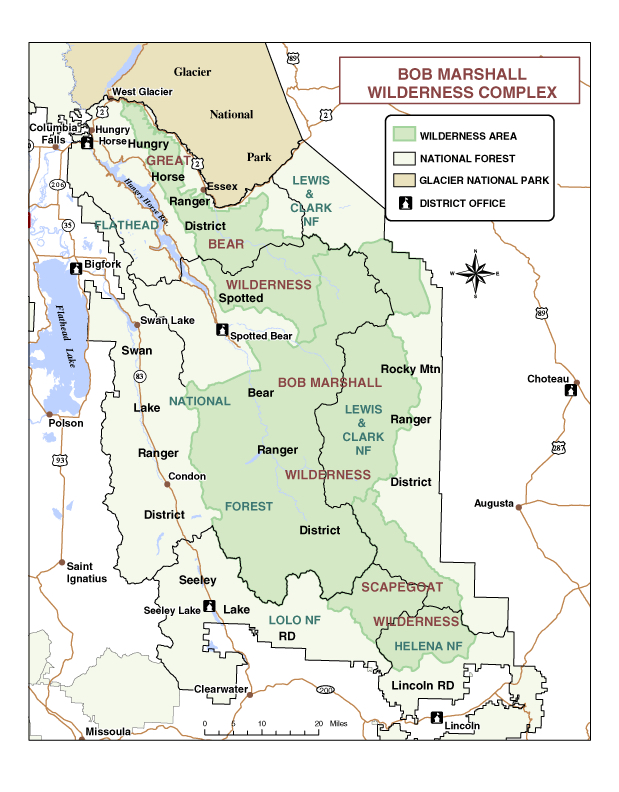
Dropstone Outfitting has the supreme privilege to call this area our office and backyard. The inspiring history and natural treasures of The Bob (as the locals call it) are not lost on the owners, Magge and Yve. While these two hard-working women explore this outdoor wonderland year-round; the scenery, wild ecosystem and feral critters within offer extraordinaory experiences each and every time they have the opportunity to visit.
Encompassing over 1.5 million acres, this complex is named after Robert (Bob) Marshall, a prominent wilderness advocate and co-founder of The Wilderness Society. Its three wilderness areas—the Bob Marshall Wilderness, Scapegoat Wilderness, and Great Bear Wilderness—offer some of the most pristine and untouched landscapes in the United States.
Who was Bob Marshall anyway?
Robert Marshall, the man, the myth, the wilderness legend. Born in 1901, this guy was all about the great outdoors. He didn’t just hike, he practically lived in the wild, earning himself the nickname “Wilderness Bob.” With a Ph.D. in forestry from Johns Hopkins University, Marshall wasn’t your typical tree-hugger. He was a founding member of The Wilderness Society, fighting tooth and nail for the protection of America’s wild places. But let’s be real, Marshall wasn’t just a conservationist; he was a wilderness rockstar. He shaped the U.S. Forest Service’s policy on wilderness designation and management. He wrote passionately on all aspects of conservation and preservation and was among the first to suggest that large tracts of Alaska be preserved.
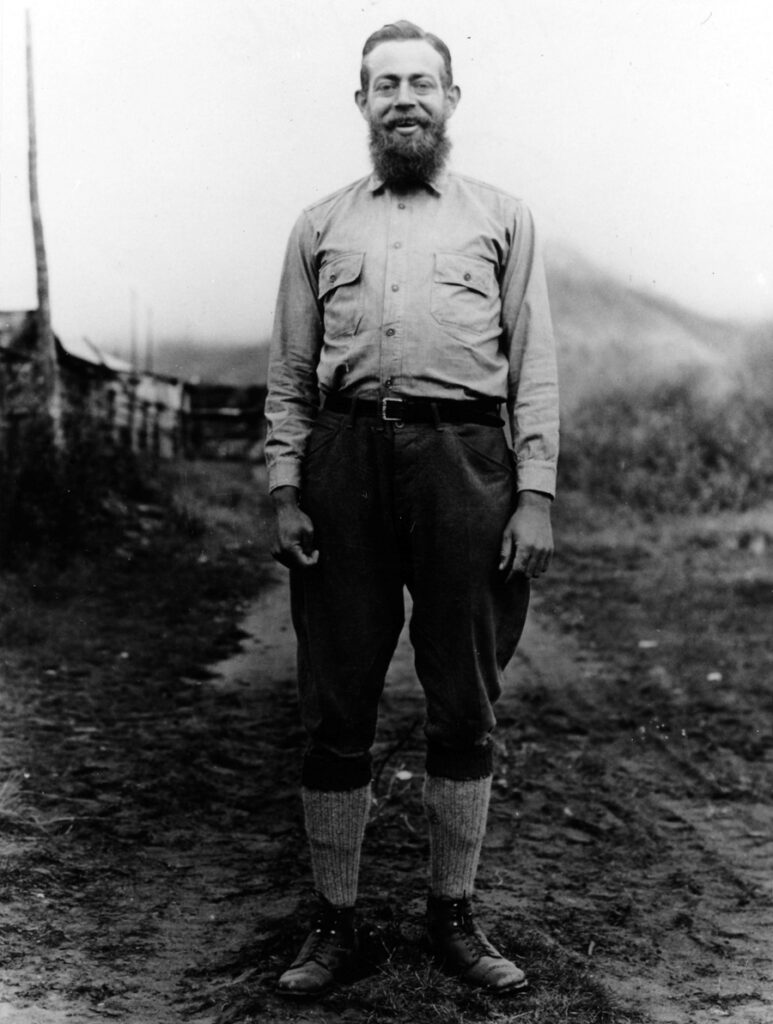
Photo courtesy of wilderness.net
Now, let’s talk about Marshall’s quirks. This guy was so into nature that he made Thoreau look like a city slicker. Marshall was all about that simple life, rocking the same raggedy clothes and surviving on basic rations while he trekked through the backcountry. He wasn’t one for fancy dinners or lavish parties; give him a patch of dirt under the stars, and he was happy as a clam. Marshall’s eccentricities weren’t just limited to his wardrobe and diet; he was also known for his solo wilderness adventures, disappearing into the wild for weeks on end, hiking 60 miles a day for fun, and sharing endless tales of bears, blizzards, and breathtaking scenery.
“I love the woods and solitude. I should hate to spend the greater part of my lifetime in a stuffy office or in a crowded city.” –Robert Marshall
For a guy that could arguably take on any current-day ultra runner, he sadly died on November 11, 1939, sitting on a train during an overnight journey from Washington D.C. to New York. Marshall passed away at the age of 39. The official cause of his death was believed to be myelogenous leukemia and coronary arteriosclerosis, or simply put, heart failure. Marshall was independently wealthy and allocated a portion of his substantial estate to The Wilderness Society. His legacy lives on in The Bob.
Some of Marshall’s most renowned words now seem remarkably prophetic:
“As society becomes more and more mechanized, it will be more and more difficult for many people to stand the nervous strain, the high pressure, and the drabness of their lives. To escape these abominations, constantly growing numbers will seek the primitive for the finest features of life.”
When the Wilderness Act was signed into law in 1964, one of the very first places to be protected in the new National Wilderness Preservation System was the iconic Bob Marshall Wilderness in Montana, named for this conservation legend.
Timeline of Key Events:
1930s-1940s: Bob Marshall, along with Aldo Leopold and others, advocates for the preservation of wilderness areas in the United States. Their efforts lay the foundation for the conservation movement in the country.
1964: The Wilderness Act is signed into law by President Lyndon B. Johnson, establishing the National Wilderness Preservation System. This landmark legislation sets aside wilderness areas “where the earth and its community of life are untrammeled by man.”
1964: The Bob Marshall Wilderness is designated, preserving over 1 million acres of pristine wilderness in Montana. This designation recognizes the unique ecological and recreational value of the area.
1972: The Scapegoat Wilderness is designated, adding over 239,000 acres to the Bob Marshall Wilderness Complex. This expansion further enhances the protection of critical wildlife habitat and pristine landscapes.
1978: The Great Bear Wilderness is designated, expanding the complex by over 286,000 acres. This designation recognizes the importance of protecting interconnected ecosystems and wildlife corridors.
1988: The Montana Wilderness Study Act designates additional lands within the Bob Marshall Wilderness Complex as potential wilderness, providing interim protection while their wilderness suitability is studied. This act demonstrates ongoing efforts to expand and protect the wilderness complex.
1993: The Montana Wilderness Study Act is amended, designating additional lands within the Bob Marshall Wilderness Complex as wilderness. This designation reflects the continued commitment to preserving the area’s wilderness character.
2009: The Omnibus Public Land Management Act designates the Rocky Mountain Front as a special management area, protecting it from oil and gas development. This designation recognizes the ecological importance of the area and its value for wildlife habitat and recreation.
2014: The Bob Marshall Wilderness celebrates its 50th anniversary as a designated wilderness area. This milestone is marked by events and celebrations honoring the legacy of Bob Marshall and the conservation efforts that led to the establishment of the wilderness area.
2016: The Wilderness and Recreation Partnership is formed, bringing together diverse stakeholders to address trail maintenance, restoration, and other conservation efforts in the Bob Marshall Wilderness Complex. This partnership demonstrates the importance of community involvement in wilderness conservation.
2018: The Montana Wilderness Study Act is reintroduced in Congress, aiming to designate additional lands within the Bob Marshall Wilderness Complex as wilderness. This act highlights the ongoing efforts to protect and preserve the complex for future generations.
2020: The Bob Marshall Wilderness Complex continues to be a popular destination for outdoor enthusiasts, offering a wide range of recreational opportunities such as hiking, camping, fishing, and wildlife viewing. The complex also serves as an important habitat for a variety of wildlife species, including grizzly bears, wolves, elk, and mountain goats.
Community Conservation Efforts:
The conservation of the Bob Marshall Wilderness Complex is not just the work of government agencies and non-profit conservation organizations—it’s also the result of dedicated individuals and communities working together to protect this valuable resource. Community conservation efforts in the area include:
- Volunteer Trail Maintenance: Local volunteers and organizations help maintain trails in the wilderness complex, ensuring safe and sustainable access for hikers and other visitors. The Bob Marshall Wilderness Foundation and the Continental Divide Trail Coalition are a few of volunteer trail organizations working in the Bob.
- Educational Programs: Community organizations and schools offer educational programs about the wilderness complex, teaching people about the importance of conservation and responsible outdoor recreation. The Montana Discovery Foundation is one of the organizations working on education in the Bob.
- Wildlife Monitoring: Community members participate in wildlife monitoring programs, helping researchers track populations of key species and understand their habitat needs.
- Conservation Advocacy: Local residents and organizations advocate for policies and practices that protect the wilderness complex and its wildlife, ensuring its long-term preservation. Check out Wild Montana and the Glacier Two-Medicine Alliance for more info on conservation efforts.
- Tourism and Recreation: The tourism and recreation industries in nearby communities benefit from the wilderness complex, providing economic incentives to protect and preserve the area.
The Bob Marshall Wilderness Complex stands as a testament to the importance of wilderness conservation and the value of community involvement in protecting our natural heritage. With its rich history, diverse ecosystems, and breathtaking landscapes, this complex serves as a reminder of the need to preserve our wild places for future generations. Through ongoing conservation efforts and community engagement, we can ensure that the Bob Marshall Wilderness Complex remains a pristine and untouched wilderness for years to come.